Press Release: Court Halts Logging of Elliott State Forest Tract Sold to Private Timber Company

June 28, 2022 — Today, a U.S. District Court judge issued a ruling preventing Scott Timber from clearcutting old growth forest previously part of the Elliott State Forest. The court found that the proposed logging of the “Benson Ridge” parcel by the subsidiary of Roseburg Forest Products would harm and harass threatened marbled murrelets, in violation of the federal Endangered Species Act. The court’s ruling permanently enjoins logging of the occupied murrelet habitat.
Press Release: Victory for the Elliott State Forest!

March 3, 2022 — Today, the Oregon House of Representatives voted 50-8 to approve SB 1546 to create the Elliott State Research Forest and appropriate $121 million to decouple the 82,500-acre forest near Coos Bay from the Common School Fund (CSF). The vote follows the Oregon Senate’s approval of the legislation 22-4 on Tuesday.
Webinar: Elliott State Forest Update — Dec. 8 @ 5:30pm
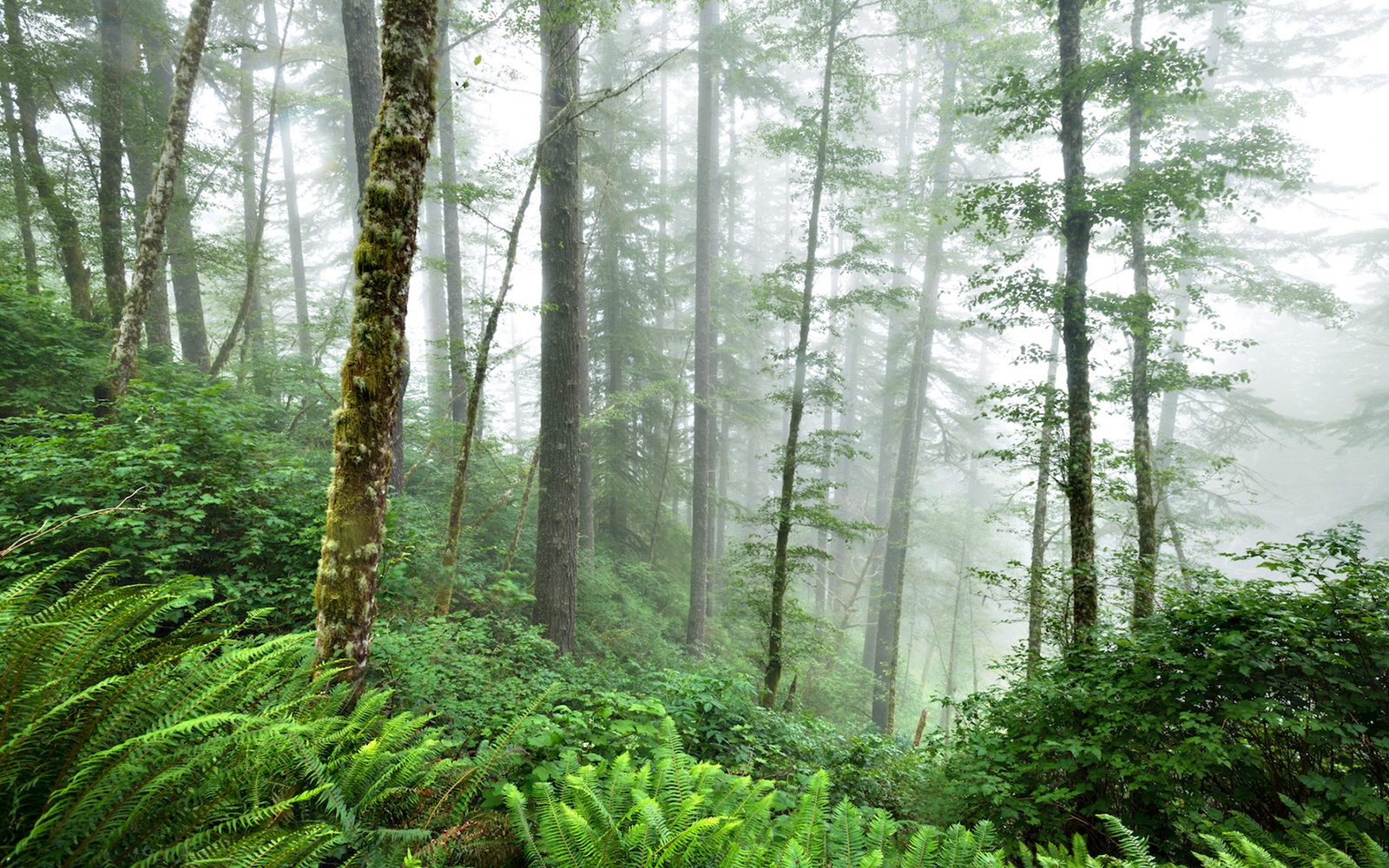
Register here. Learn about the history of the Elliott State Forest.
Elliott State Research Forest Proposal Released — Your Comments Needed
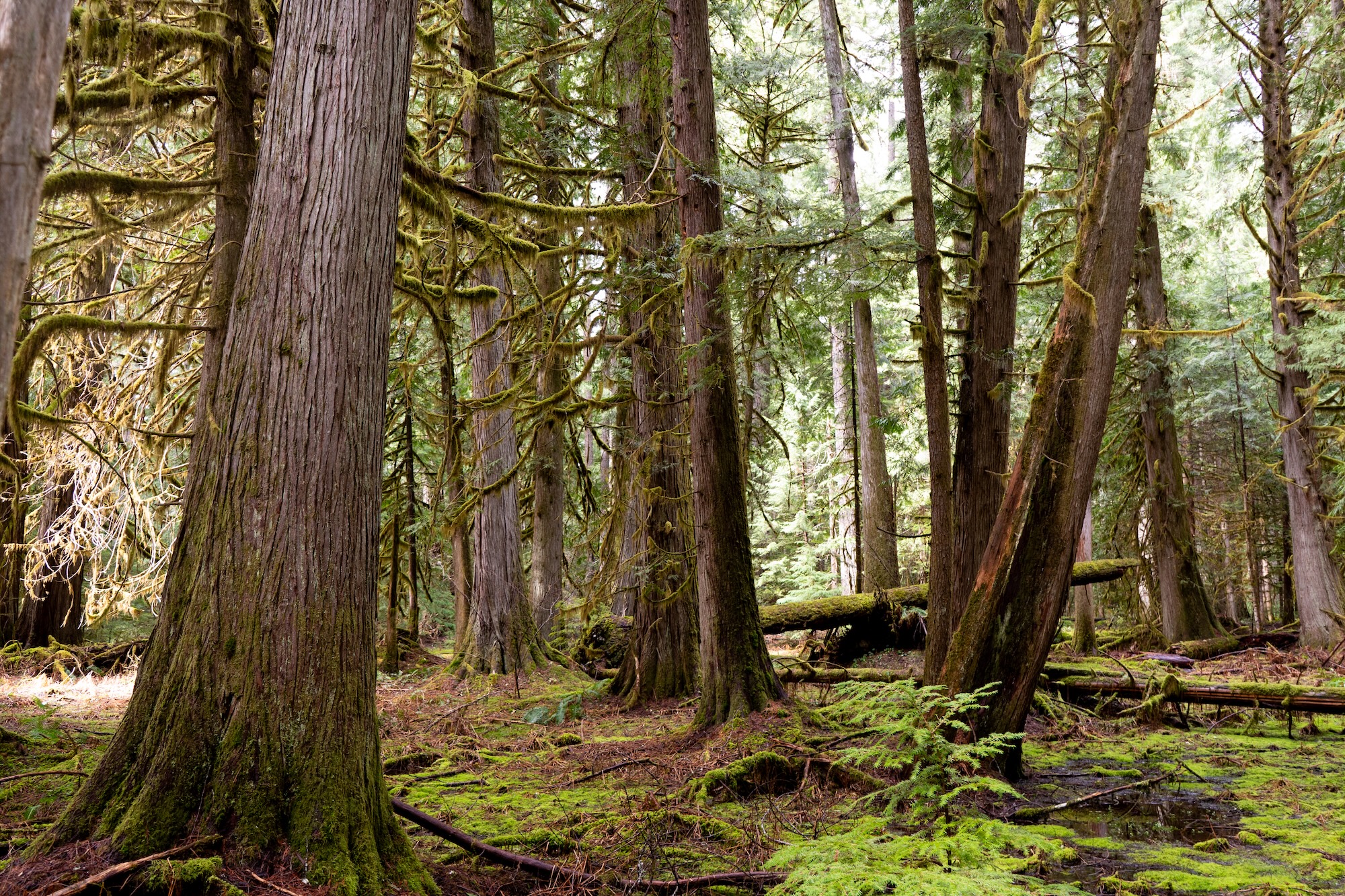
In late October 2020, Oregon State University’s College of Forestry released its draft proposal to create the Elliott State Research Forest. This plan remains a work in progress, and Cascadia Wildlands continues to help shape the outcome of it to the point it can be something we can stand proudly behind. As with any complex … Read more
WildChats with Cascadia!
During the COVID-19 pandemic and this time of social distancing, Cascadia Wildlands is still committed to connecting with our community. While we can’t meet in person, connect with us online for WildChats with Cascadia staff, volunteers and allies! Join the Cascadia team for campaign deep dives, skill-building workshops and panels featuring experts and stakeholders in … Read more
Cascadia Wildlands and Partners in Front of Oregon Supreme Court to Protect the Elliott State Forest
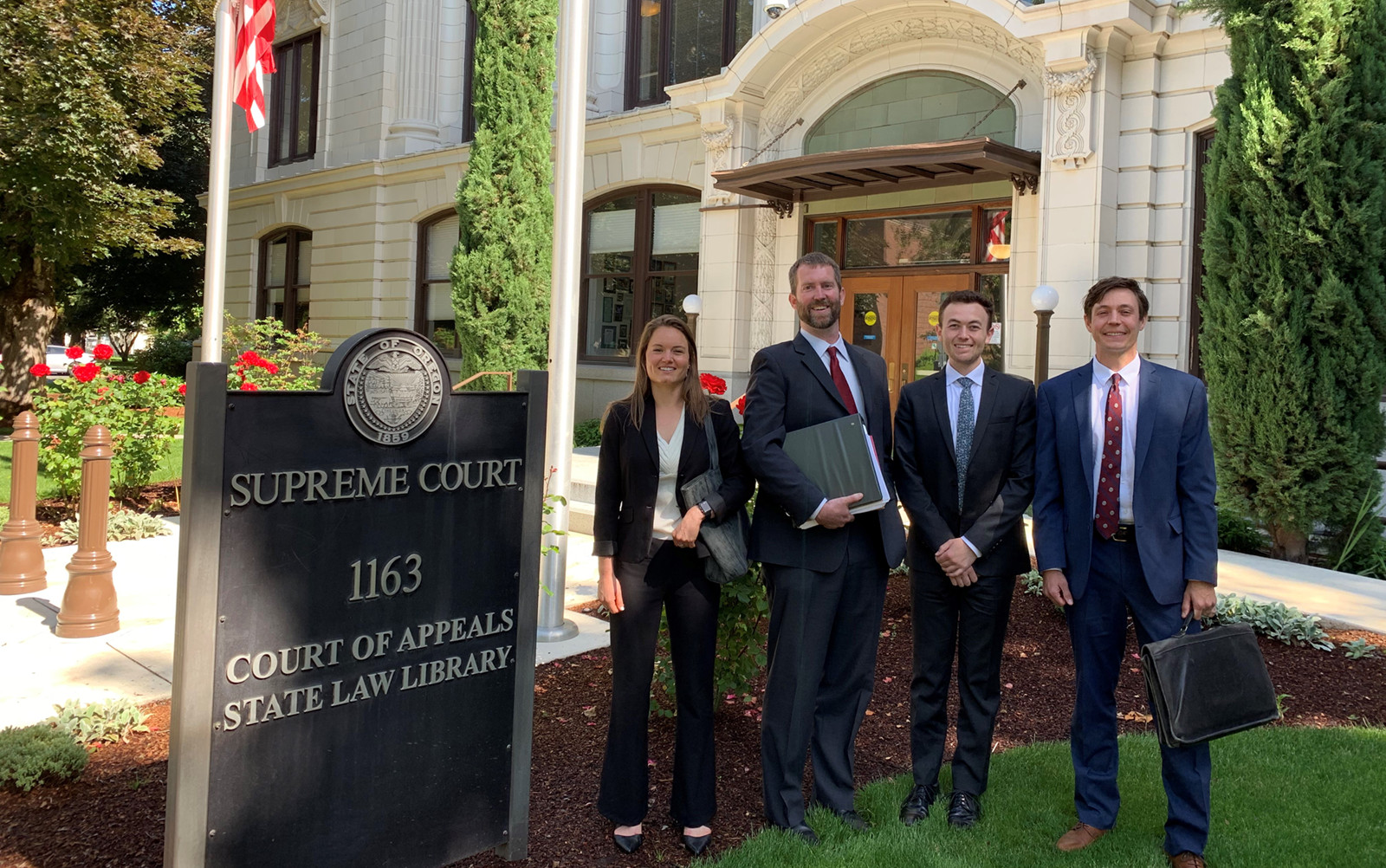
by Noah Mikell, Cascadia Wildlands Summer Legal Intern Last week we kicked off our summer as Cascadia Wildlands’ latest legal interns by attending oral arguments in the Oregon Supreme Court! It couldn’t have been better timing that we started our internships just as attorneys Dan Kruse and Nick Cady were putting the final touches on … Read more
Murrelet Get Their Days in Court–Words From the Courtroom Part 1
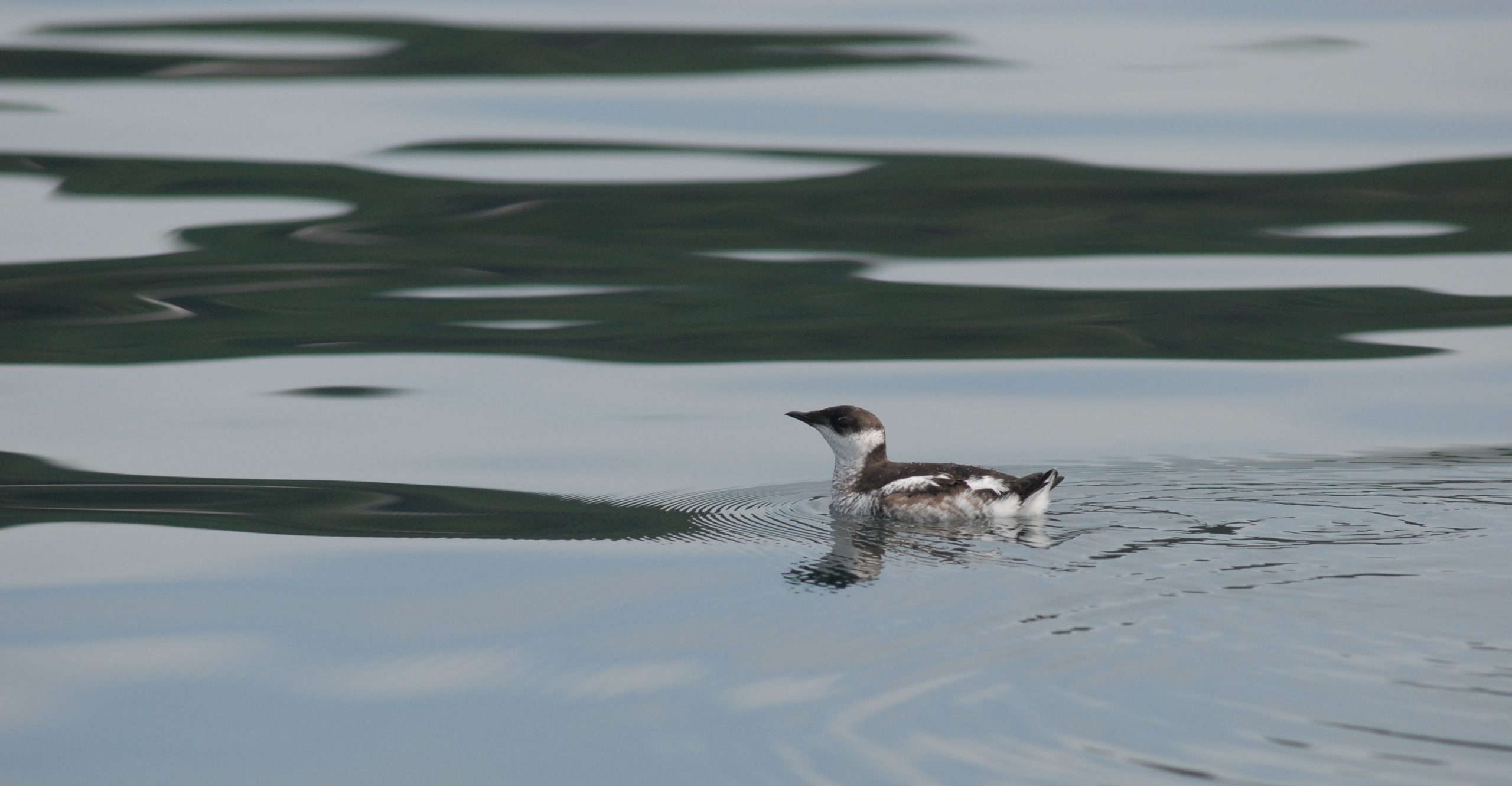
By Gabriel Scott, Cascadia Wildlands Staff Attorney It may not be the trial of the century, but Monday saw the start of the trial of a lifetime for some cryptic, secretive seabirds nesting in the Elliot State Forest. The case is Cascadia Wildlands v. Scott Timber Company, and it is taking place this week in judge … Read more
Press Release: Oregon Court Rules Sale of Elliott State Forest Tract Illegal
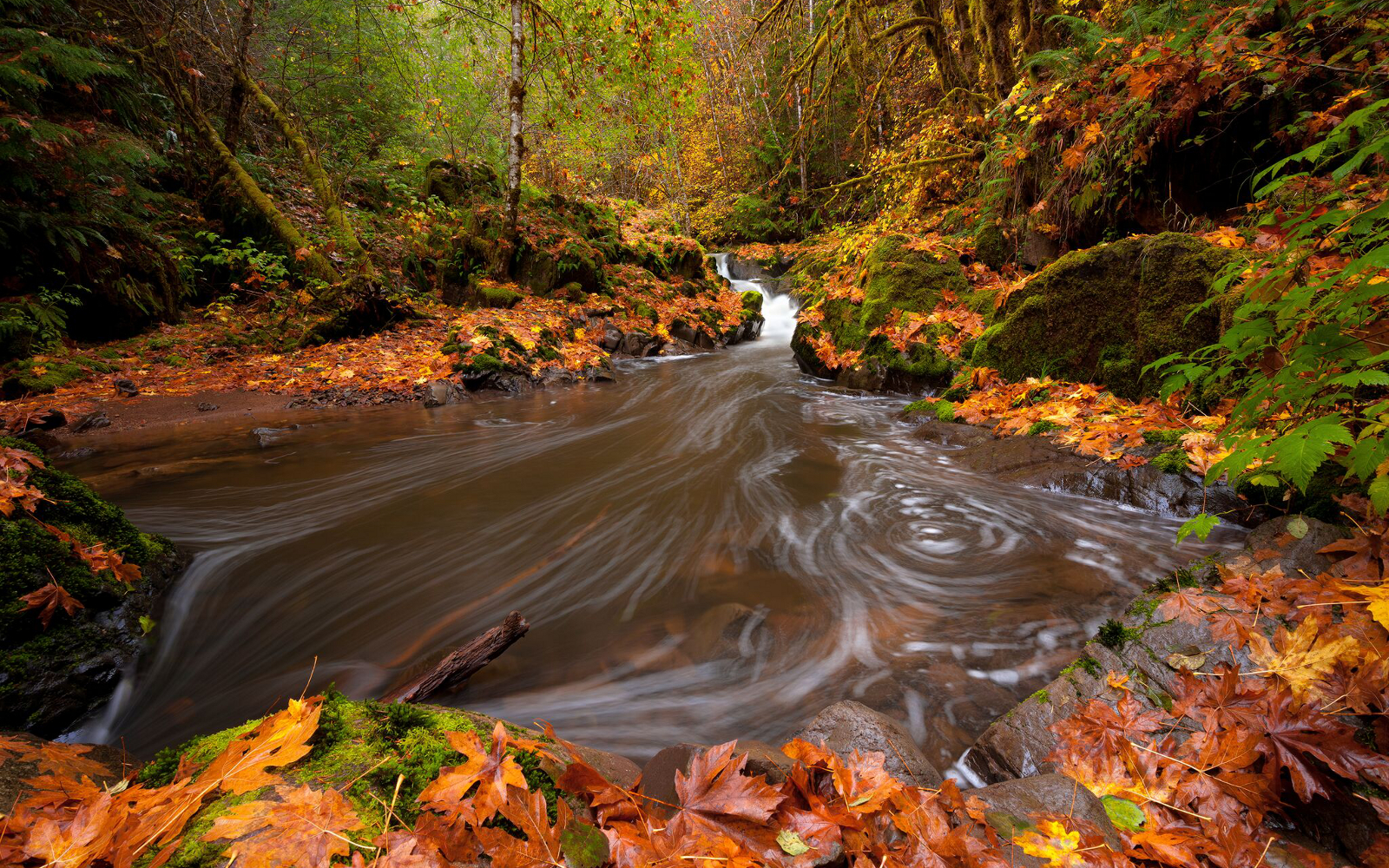
August 1, 2018 — The Oregon Court of Appeals ruled today that the 2014 sale of the 788-acre East Hakki Ridge tract on the 93,000-acre Elliott State Forest east of Coos Bay was illegal. The ruling, which overturns the sale of the public land to a private timber company, marks a major win for the state’s public lands.
Press Release: Lawmakers Advance $100 Million in State Bonding Revenue to Keep the Elliott State Forest Public
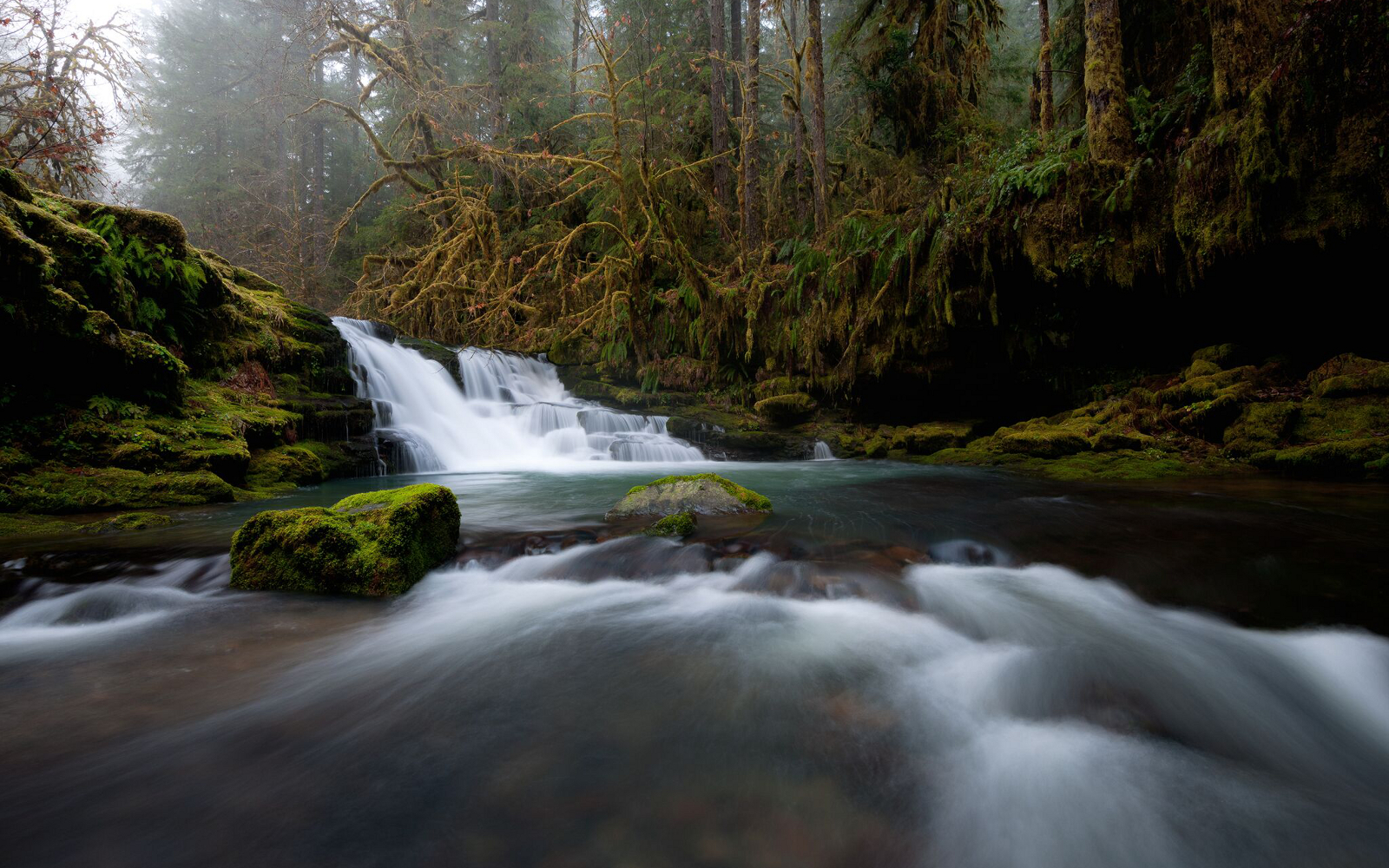
July 3, 2017 — On July 3 during a work session in Salem, the Capital Construction Subcommittee of the Joint Ways and Means Committee unanimously advanced $100 million in state bonding revenue to protect the 82,500-Elliott State Forest and keep it from being privatized. The vote followed a May 9 State Land Board meeting, where Governor Kate Brown, Treasurer Tobias Read, and Secretary of State Dennis Richardson voted 3-0 to keep the Elliott in public ownership through the use of state bonding capacity and the development of a Habitat Conservation Plan for the Coast Range forest. The full Ways and Means Committee is expected to pass the bill any day.
Battle for the Elliott State Forest Won! Land Board Votes to Keep Forest Public!
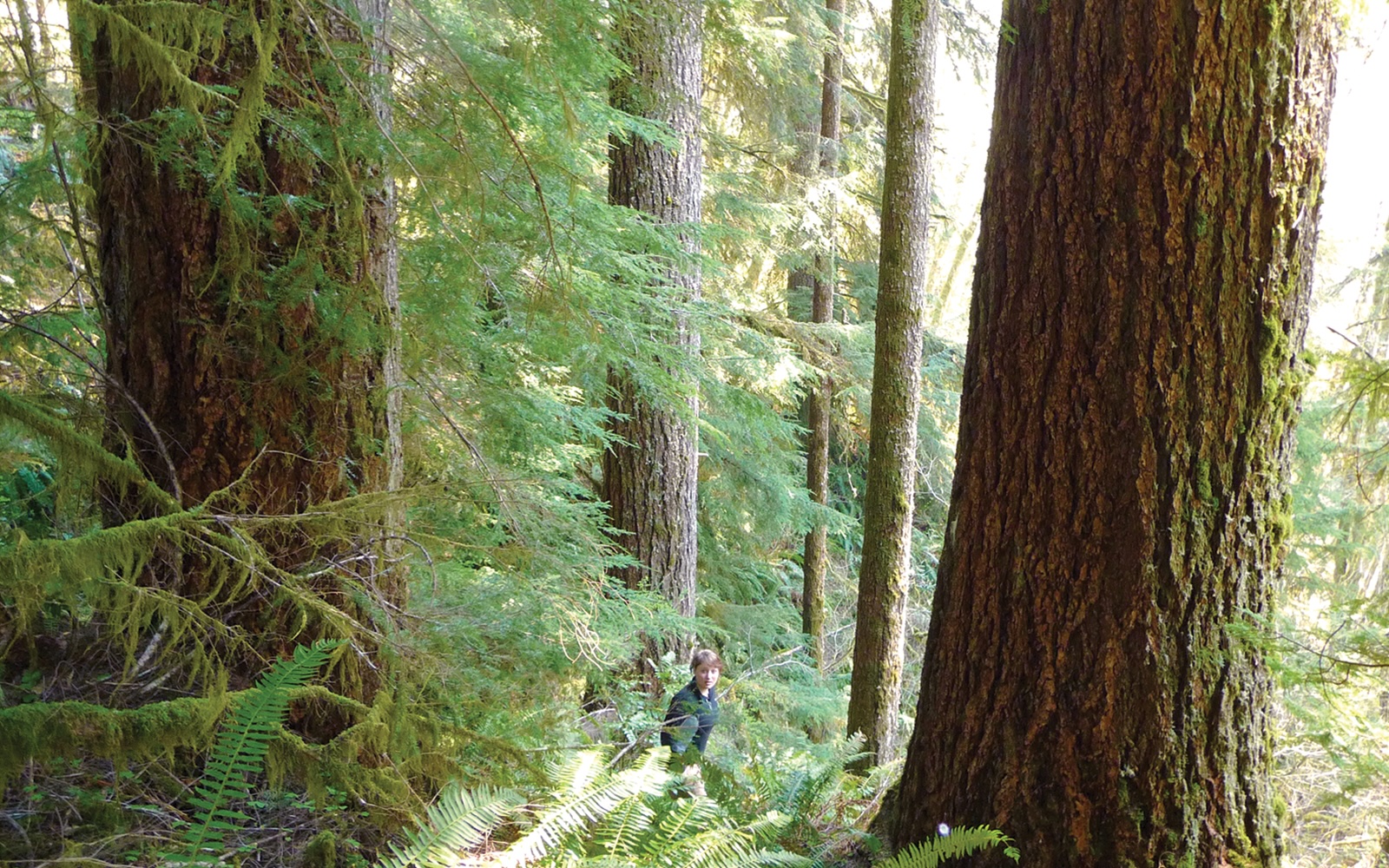
May 9, 2017 — In a 3-0 vote today, the Oregon State Land Board, made up of Governor Kate Brown, Treasurer Tobias Read and Secretary of State Dennis Richardson, terminated the protocol that led to the timber industry proposal to privatize the 82,500-acre Elliott State Forest in the Oregon Coast Range.
Press Release: Conservation Organizations Enthusiastic about Governor’s Plan for the Elliott
May 4, 2017 — The Oregon Conservation Network (OCN) is pleased to see the plan released today from the Governor’s office regarding the Elliott State Forest. As a coalition, we care deeply about Oregon’s wildlands, and believe the state has an obligation to protect and enhance our vast forests, wildlife, and habitats. This is why the issue of the Elliott State Forest is such an important one to our members.