Posts Tagged ‘Gray Wolves’

May20

Decision on wolf protections in Lower 48 delayed


by The Associated Press

May 20, 2013
 
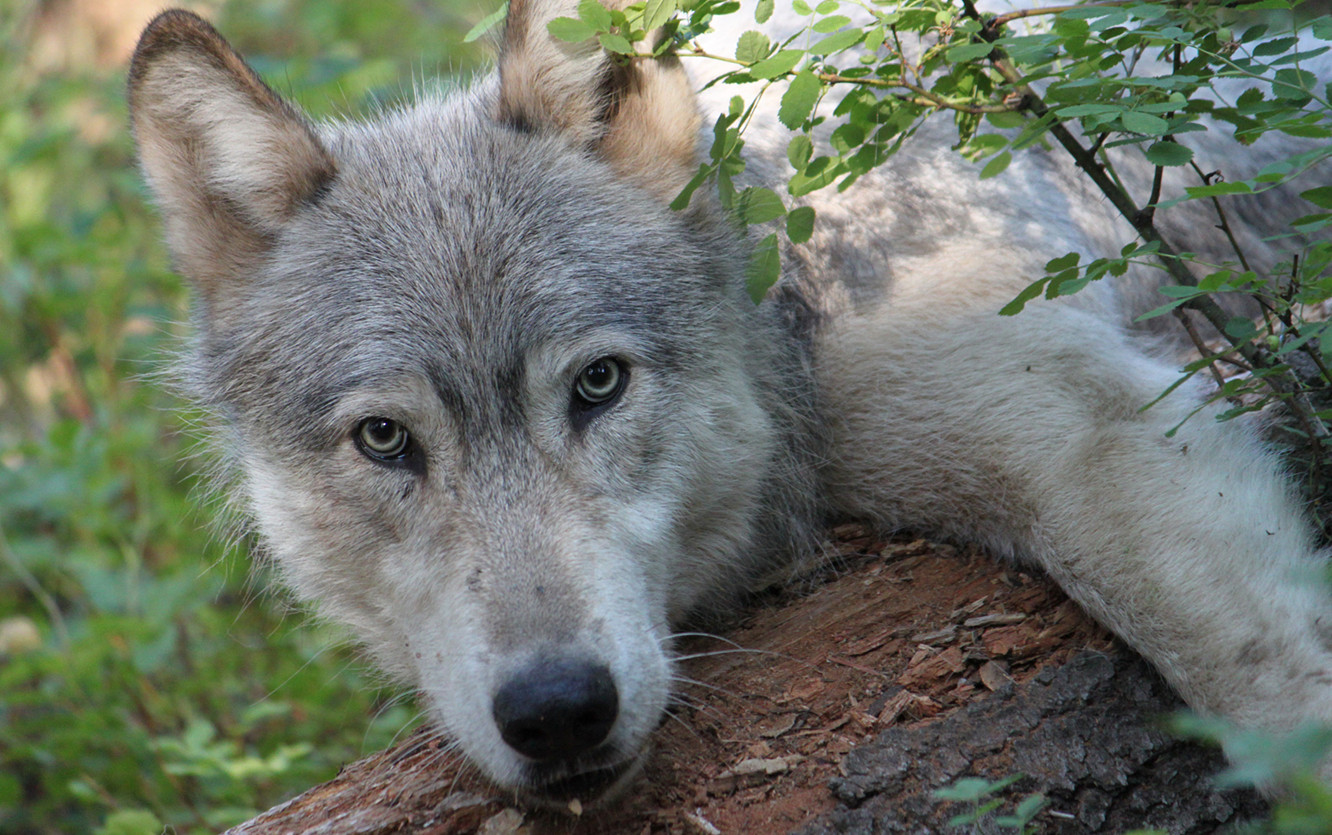
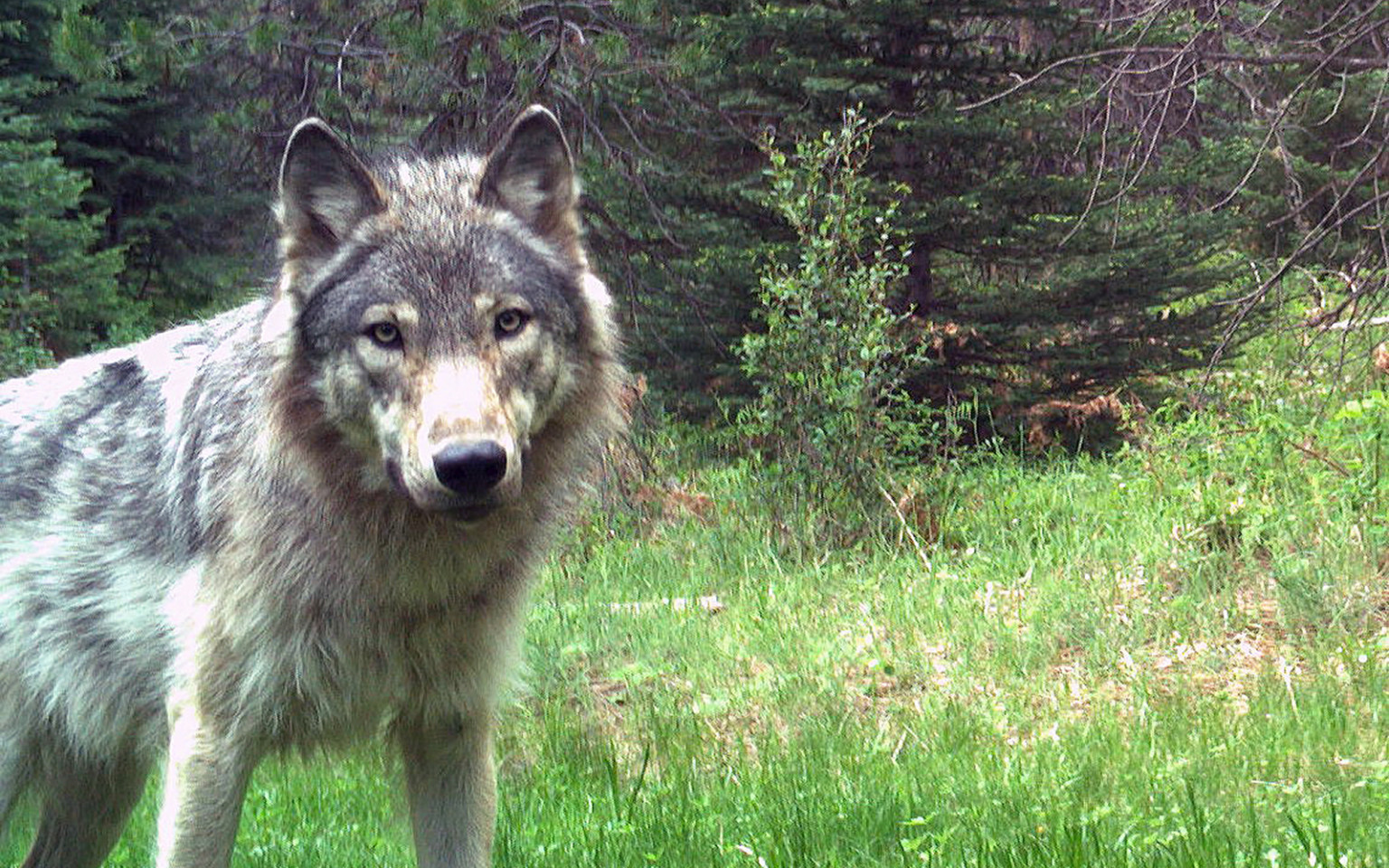
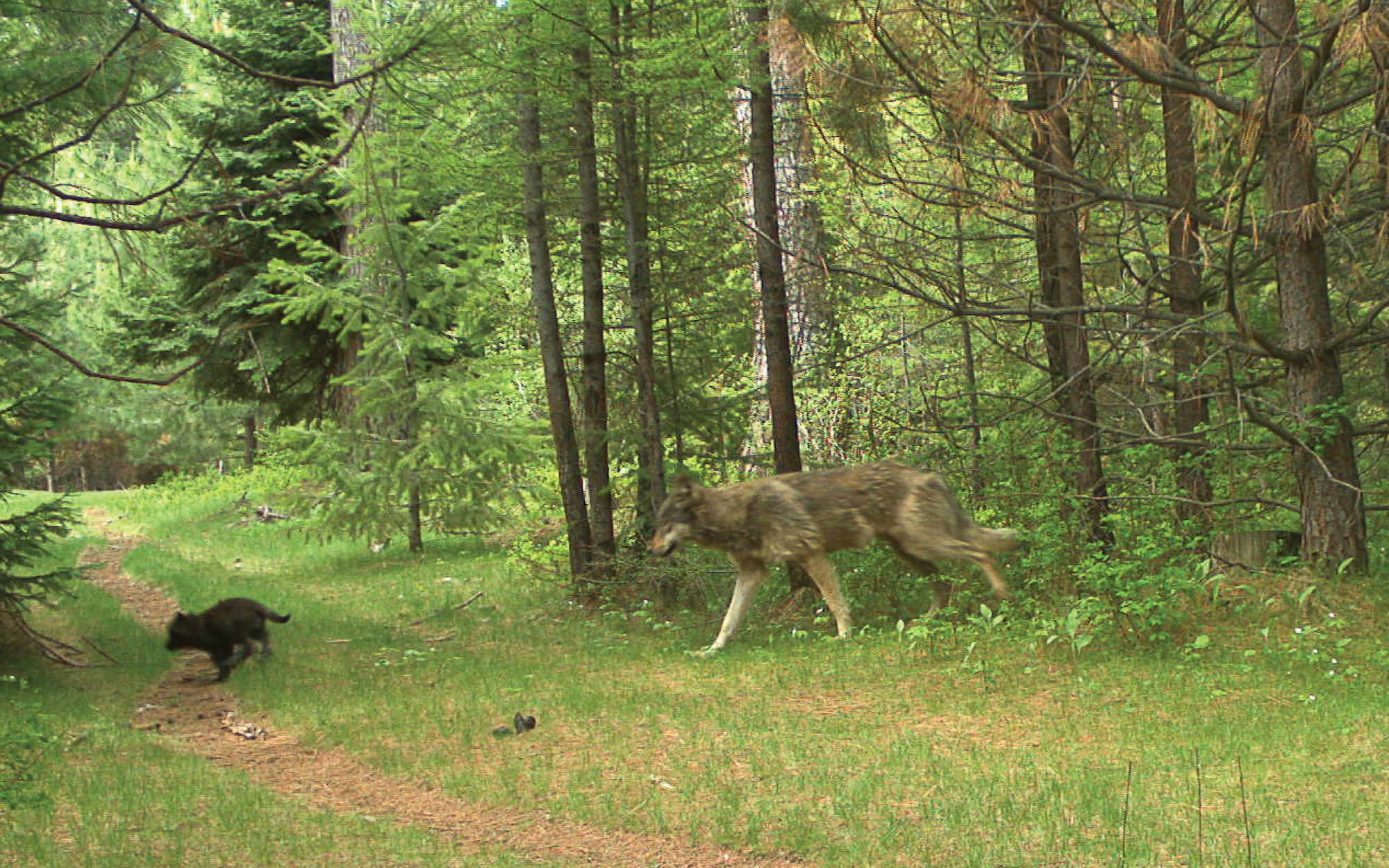
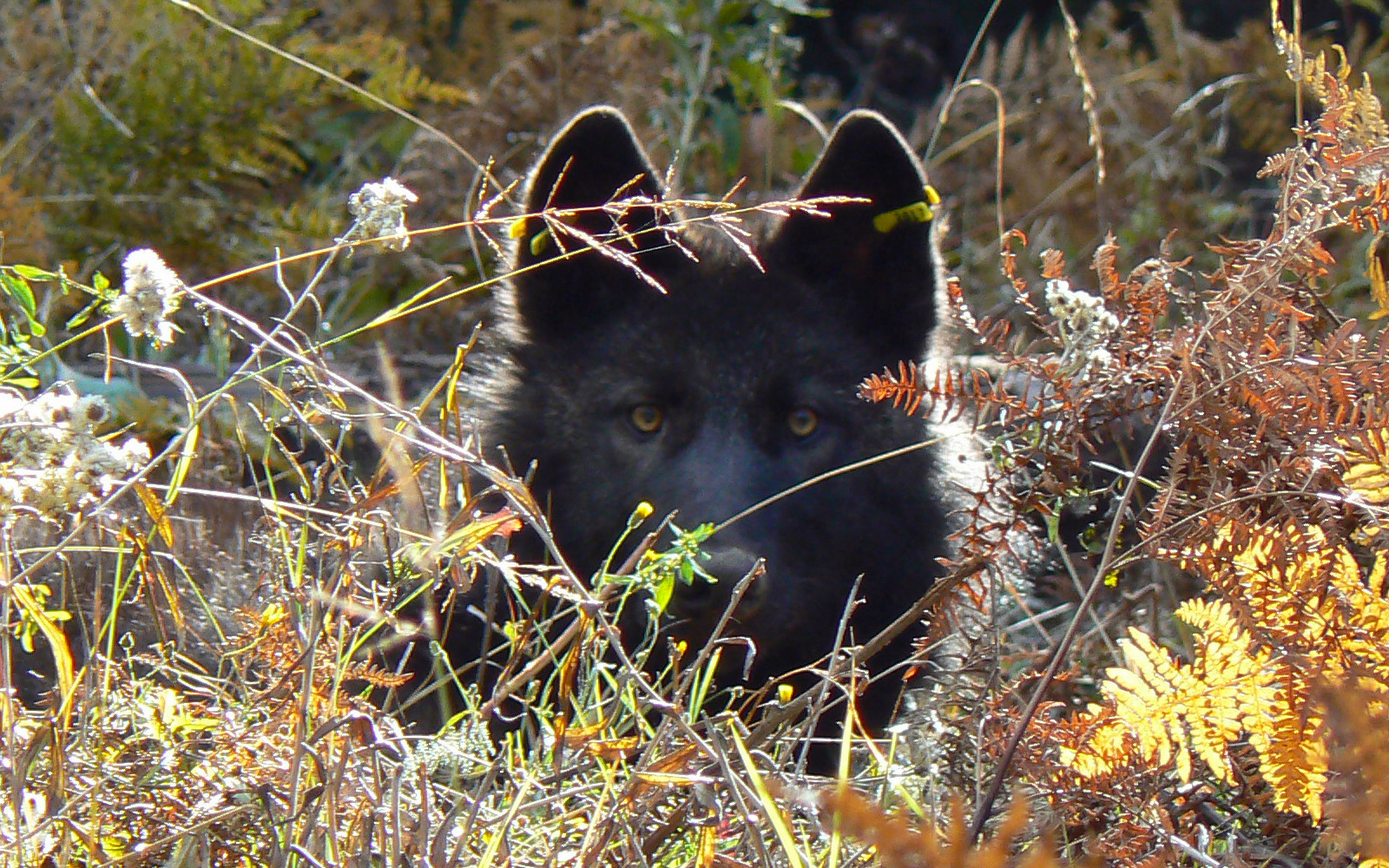
BILLINGS — Federal wildlife officials are postponing a much-anticipated decision on whether to lift protections for gray wolves across the Lower 48 states.
 
In a court filing Monday, government attorneys say “a recent unexpected delay” is indefinitely holding up action on the predators. No further explanation was offered.
 
Gray wolves are under protection as an endangered species and have recovered dramatically from widespread extermination in recent decades.
 
More than 6,000 of the animals now roam the continental U.S. Most live in the Northern Rockies and western Great Lakes, where protections already have been lifted.
 
A draft proposal to lift protections elsewhere drew strong objections when it was revealed last month.
 
Wildlife advocates and some members of Congress argue that the wolf’s recovery is incomplete because the animal occupies just a fraction of its historical range.
 

Apr25

U.S. plans to drop gray wolves from endangered list


U.S. plans to drop gray wolves from endangered list
The planned ruling would eliminate protection for the top predators, but scientists and conservationists say the proposal is flawed.
 
By Julie Cart, Los Angeles Times

April 25, 2013, 6:20 p.m.
 
Federal authorities intend to remove endangered species protections for all gray wolves in the Lower 48 states, carving out an a exception for a small pocket of about 75 Mexican wolves in the wild in Arizona and New Mexico, according to a draft document obtained by The Times.
 
The sweeping rule by the U.S. Fish and Wildlife Service would eliminate protection for wolves 18 years after the government reestablished the predators in the West, where they had been hunted to extinction. Their reintroduction was a success, with the population growing to the thousands.
 
But their presence has always drawn protests across the Intermountain West from state officials, hunters and ranchers who lost livestock to the wolves. They have lobbied to remove the gray wolf from the endangered list.
 
Once those protections end, the fate of wolves is left to individual states. The species is only beginning to recover in Northern California and the Pacific Northwest. California is considering imposing its own protections after the discovery of a lone male that wandered into the state's northern counties from Oregon two years ago.
 
The species has flourished elsewhere, however, and the government ended endangered status for the gray wolf in the northern Rockies and Great Lakes regions last year.
 
Mike Jimenez, who manages wolves in the northern Rockies for the Fish and Wildlife Service, said delisting in that region underscored a "huge success story." He said that while wolves are now legally hunted in Montana, Idaho and Wyoming, the federal agency continues to monitor pack populations and can reinstate protections should numbers reach levels that biologists consider to be dangerously low.
 
Scientists and conservationists who reviewed the plan said its reasoning is flawed. They challenged how the agency reconfigures the classification of wolf subspecies and its assertion that little habitat remains for wolves.
 
Jamie Rappaport Clark, the former director of the Fish and Wildlife Service and now the president of Defenders of Wildlife, said the decision "reeks of politics" and vowed that it will face multiple legal challenges.
 
"This is politics versus professional wildlife management," Clark said. "The service is saying, 'We're done. Game over. Whatever happens to wolves in the U.S. is a state thing.' They are declaring victory long before science would tell them to do so."
 
The Fish and Wildlife Service is expected to release its decision to delist the wolves in coming weeks and it could become final within a year. Brent Lawrence, a Fish and Wildlife Service spokesman, said Thursday that the agency would not comment.
 
The proposed rule is technically a draft until it is entered into the Federal Register.
 
Some scientists agreed with the decision to delist the wolves. But several took exception to some of the findings that the agency included in the document, including the scientifically disputed issue of defining wolf subspecies.
 
"It's a little depressing that science can be used and pitched in this way," said Bob Wayne, a professor of evolutionary biology at UCLA.
 
Wolves were once common and ranged across much of the continental United States, a vestigial symbol of the Old West and its expanse of open, wild country.
 
But as the West became urbanized and ranching spread, government-subsidized hunting that offered bounties for wolf kills virtually wiped out the animals by the 1930s.


Apr17

Of Hobbits, Elves, Elk, Ecology and Wolves


By Bob Ferris

My wife and I are fans of the Lord of the Rings trilogy.  For us that meant that we recently re-watched the extended versions of the three movies and also spent time watching the special features disc associated with each film.  The former was still great and the latter was revealing in so many ways.  One of the things we learned on the special features disc was how some of the special effects were accomplished both during shooting and with post-production wizardry.  Pretty cool stuff.
 
One interesting element of this was how they were able to deal with the size differences between the smaller hobbits and dwarfs and the larger humans and elves.  Once you understand that “little people” actors in prosthetics were used in the wider shots containing both big and small characters it really changed your perspective.  You actually could start to identify the various small actors who served as costumed and masked doubles in these scenes by their gait and movements.  Once you gained this knowledge and knew what to look for it was easy to spot the cinematic sleight of hand when it was employed.  It did not take anything away from the movie experience in fact it really seemed to enhance it.  
 
This whole episode got me thinking about wolves and why what is so obvious to those who have had ecological and biological training just may not be that accessible to others without the same grounding.  Maybe we need a “special features” disc for the wolves?  But what would be on that disc?  What is missing from the anti-wolf crowds understanding of the bigger picture?
 
To begin to understand what should be on the disc, perhaps we should visit the most notorious example cited by anti-wolf parties and trophy hunters—the Northern Yellowstone elk herd crash.  For the last couple of years all we have heard from the David Allens, Bob Fannings and Don Peays of the world are how wolves were released and immediately decimated this famous and very visible elk herd.  It is almost like these anti-wolf advocates had their own “remember the Alamo” moment.  But we need to inject a little of the late Paul Harvey here and start to look at the rest of the story.
 
That examination begins with looking at the long term elk population trends in Yellowstone’s northern range.  Important milestone events to remember to help make sense of this are that wolves were basically gone from the system by the mid-1920s, Park staff culled elk herds until 1968 when hands-off or ecological management became the rule, the massive Yellowstone fire happened in 1988, and wolves were first re-introduced to Yellowstone in 1995.  
 
Bearing all of this in mind, here is what would likely make the short list for inclusion on “Special Features Menu” for the Northern Yellowstone elk herd or subpopulations like the Gallatin:
 
"Elk summer-fall use declined after fire, then increased to levels nearly three times the level of the control before dropping back at the end of the 20-year period. Elk winter-spring use was higher than the control throughout the entire evaluation period, with the highest recorded post-fire use 7 years after fire." Effects of Fire in the Northern Great Plains
 
Post-fire Plant Succession: The Yellowstone fire of 1988 swept through the Park with a myriad of consequences.  One of the most important ones for elk was that the fire opened up habitats and enabled an explosion of new plant growth which enabled the elk population to grow rapidly.  As plant succession—the natural progression from the softer, more nutritious pioneer plants to woody plants—progressed the amount and quality of food in the Northern Range available to elk diminished.
 
Availability of Water: Water is a huge driver for elk as it has a consequential impact on the quantity and quality of vegetation.  When precipitation is plentiful elk populations tend to grow and they decline in droughts. [1]
 
 
Competition with Bison and Other Species:  Elk tend to displace deer but are in turn displaced by bison in Yellowstone and domestic cattle in other places where grazing is allowed.  Bison populations have risen considerably over the past several decades ergo competition is likely another factor to consider. [1,2]
Grizzly Bears and Predators:  Grizzly bears also prey on elk—particularly elk calves.  Grizzly populations in Yellowstone have increased considerably over the last several decades.  This puts additional pressure on the elk.
 
Disease: Disease also can be a factor in populations particularly those that are at or above the long-term carrying capacity of the area and in the absence of selective pressures like predation.  Diseases spread faster when populations are dense, which is one of the reasons that feeding wildlife is generally a bad idea. [1,2,3]
 
Density Dependence: Density dependence is less a cause than and observation.  There is a general tendency in populations that become dense to “self-edit” at some point and it is likely caused by any one of these factors or a complex combination of them. [1]
 
Secondary Plant Compounds:  One of the most interesting areas of botany is looking at secondary plant compounds and how those plant produced chemicals often regulate the populations of animals that consume them.  While we often think in terms of grazing critters determining vegetation there is a large body of evidence that in many cases it is the other way around. [1,2,3]
 
“Additive and compensatory are the two types of mortality that occur in mule deer populations. An increase in one cause of mortality or the introduction of a new type of mortality may or may not increase the total number of animals that die, depending on whether that mortality is additive or compensatory. If the increase or introduction of mortality increases the number of deer that die, the mortality is additive. If it is compensated for by reductions in other types of mortality, and therefore doesn’t change the total number of deer that die, then it is compensatory.”  From Western Association of Fish and Wildlife Agencies website.
 
Additive versus Compensatory Predation:  If a certain amount of prey species did not die each year through natural or artificial means, prey would quickly over populate their habitats with disastrous consequences.  Because many wildlife agencies tend to want prey populations to exist at or near their carrying capacities this question of whether or not predation is compensatory or additive comes into play.  One recent study looking at nearly 2800 radio collared elk in 45 areas, found that additive predation from all predators including wolves was less than 2%.
 
“Wolves are coursing predators that chase prey over long distances in open habitat and have a relatively low success rate, selecting substandard prey. The success rate on elk is 20 percent.”  Notes on a talk by Dr. Dennis Murray University of Idaho on Western Hunter
 
Genetic Impacts: People shooting elk and wolves killing elk have different genetic implications.  Hunters kill elk in the fall when the animals are fat after summer feeding.  Wolf predation peaks in late winter and early spring when less biologically fit animals are at their most challenged [reference].  The former action has limited beneficial impact on the gene pool of elk because the selective pressures are only chance and size.  In contrast, wolves chase animals and are most successful with those unable to escape or resist.  While humans might not be able to differentiate between genetically robust individuals by sight it is believed that coursing predators such as wolves that chase their normally faster prey do so mechanically.
 
Pollution:  Pollution from pesticides and herbicides are likely on the low side directly in Yellowstone but that is not true in the surrounding federal forests where the migratory elements of this herd frequent.  Many people including citizen scientist Judy Hoy have been expressing concerns about some of these pollution effects and hopefully this is an area that will receive broader research attention in the future.  
 
Actually the above is not really a menu per se, because all of these factors and more are all in play in the Northern Range and other locales where elk are declining and where they are increasing in the presence of wolves.  
 

Thinking that wolves are completely driving the elk population decline in Yellowstone’s Northern elk herd is a lot like thinking that actor Elijah Wood is only three feet tall because he appeared to be that height in the Lord of the Rings trilogy.  I would urge those who still adhere to the yard-tall thespian hypothesis to take a deep breath, employ some commonsense and dig a little deeper into the situation. I think that you will find that many wonderful things are going on and that wolves are only supporting players in this drama wholly undeserving of this deep hatred we observe and the wholesale slaughter heaped on this still recovering species.

Dec21

Press Release: Anniversary of OR-7′s Arrival in California Inspires New Wolf Alliance

FOR IMMEDIATE RELEASE
December 21, 2012
 
CONTACT:
Amaroq Weiss, California Wolf Center, 707-779-9613
Josh Laughlin, Cascadia Wildlands, 541-844-8182
Noah Greenwald, Center for Biological Diversity, 503-484-7495
John Motsinger, Defenders of Wildlife, 202-772-0288
Joseph Vaile, Klamath-Siskiyou Wildlands Center, 541-488-5789
Rob Klavins, Oregon Wild, 503-551-1717 (media only)
 
SACRAMENTO, Calif.- Twenty-five wildlife conservation, education and protection organizations in California, Oregon and Washington today announced the formation of an alliance committed to recovering wolves across the region. The Pacific Wolf Coalition envisions populations of wolves restored across their historic habitats in numbers that will allow them to re-establish their critical role in nature and ensure their long-term survival. The announcement of the Pacific Wolf Coalition coincides with the one-year anniversary of the first wolf, OR-7, in California in nearly 90 years.  
 

OR-11 from NE Oregon's Walla Walla Pack (ODFW)

Wolves are making a comeback in the Pacific West.  Here, as elsewhere in the lower 48, wolves were driven to regional extinction decades ago. The Pacific Wolf Coalition's mission is to ensure wolf recovery in the West. "The Pacific Wolf Coalition formed to unify efforts to restore wolf populations here in our region and to demonstrate that wolves and people can coexist," said Josh Laughlin with Cascadia Wildlands. "Working together we can give wolves a fighting chance to naturally return to their native lands in the western states."
 
Just one year ago – on Dec. 28, 2011 – a young, male wolf from northeast Oregon's Imnaha Pack loped across the state line into California, where he has continued to make his home, exploring seven northern counties in his search for a mate and territory of his own.  
 
"This wolf's journey is our own,” said Amaroq Weiss of the California Wolf Center. "His arrival in California restores a native species to our state, itself a remarkable event. His continued presence for an entire year, roaming landscapes his ancestors once called home, indicates we still have good wolf habitat here. Californians have literally been handed the makings of a conservation success story for our state and for the Pacific West region. We are very much celebrating this anniversary."
 
Over the past 13 years, wolves from Idaho and British Columbia have naturally dispersed into Oregon and Washington, forming these states' first-known wolf packs in decades. Today there are six confirmed and two probable packs in Oregon, and eight confirmed and four probable packs in Washington, with three of those packs residing in the Cascade Mountains. Journey's trek into California links the third state of the Pacific West into an envisioned region-wide wolf recovery success story, and is a source of great hope and inspiration.
 
"The return of wolves to the northern Rockies has been a remarkable success story, and now we have a chance to write an exciting new chapter in the Pacific West,” said Pamela Flick with Defenders of Wildlife. “We look forward to using our decades of experience to forge new partnerships with landowners that will allow people and wolves to coexist."
 
OR-7 is still capturing headlines with his ongoing travels, despite being caught on camera only once while in California. The GPS collar he's wearing tells wildlife agency staff where he has been, and the agency periodically releases that information to the public.  
 
"We've made tremendous strides in wolf recovery thanks in large part to our nation's landmark environmental laws. However, recovery remains tenuous," said Rob Klavins with Oregon Wild. "To make sure there are enough wolves to play their irreplaceable role on the Pacific Northwest landscape, they need to retain the basic protections afforded by the Endangered Species Act."
 
The Pacific Wolf Coalition has also come together under less celebratory circumstances. The U.S. Fish and Wildlife Service, the federal agency charged under the federal Endangered Species Act with wolf recovery, is poised to announce a proposal that could end federal protections for wolves in the Pacific West and elsewhere across the country. The Pacific Wolf Coalition supports continued federal protections for wolves here in the western states and in other regions across the country where they haven't recovered.
 
"Residents and visitors alike love the Pacific West for its natural wild beauty and the wildlife that lives here. Restoring native species is crucial to that wild beauty, and wolves are no exception. Protections should remain in place to allow these animals to recover," said Noah Greenwald of the Center for Biological Diversity.
As wolves return to the Pacific West states of California, Oregon and Washington, the member organizations of the Pacific Wolf Coalition believe they do so on a vastly different social, political and ecological landscape than other parts of the country.
 
"We have unique opportunities and challenges here in the West," said Joseph Vaile with Klamath-Siskiyou Wildlands Center. "The Pacific Wolf Coalition is working together to raise awareness and increase public understanding about wolves and the important role they play in nature, and ensure that wolves will be conserved in our region over the long term."
                                                                                                                     
                                                           – # # # -
 
The Pacific Wolf Coalition includes the following member organizations:
Big Wildlife – California Wilderness Coalition – California Wolf Center – Cascadia Wildlands – Center for Biological Diversity – Defenders of Wildlife – Earthjustice – Endangered Species Coalition – Environmental Protection Information Center – Gifford Pinchot Task Force – Hells Canyon Preservation Council – Klamath-Siskiyou Wildlands Center – National Parks Conservation Association – Natural Resources Defense Council – Northeast Oregon Ecosystems – Oregon Chapter, Sierra Club – Oregon Wild – Predator Defense – Resource Media – The Larch Company – Training Resources for the Environmental Community – Western Environmental Law Center – Western Watersheds Project – Wilburforce Foundation – Wolf Haven International
 

Dec18

We Need to Address Wolf Myths and Hatred Head On–Stand with US

By Bob Ferris
 
There are some clever television commercials circulating of late that feature prankster cows taking steps to convince folks they should eat more chicken.  The inferred hope of these often belligerent bovines is that they will not be eaten, if people would just eat more fowl.  Setting aside the fact that the featured cows are dairy cows and not beef cattle, the ads remind me—more darkly—of the western livestock industry and their allies’ efforts to sink wolf recovery by directing public attention away from their own myriad sins by creating myths and legends about the impact of wolves.  In essence they are manufacturing wolf hatred.
 
The arguments raised by the livestock industry and their allies like Jim Beers and the Rocky Mountain Elk Foundation are generally of three types:
 
1) Wolves cause economic damage;
2) Wolves impact wildlife populations; and 
3) Wolves pose a threat to humans.
 
The interesting thing about these three claims is that all three of them could also be made about cattle and the livestock industry.   More importantly—the level of all three of these impacts for livestock are orders of magnitude above those posed by wolves.  So why do folks not grasp this? And why is there only limited public outcry?
 
Perhaps it is John Wayne’s fault because cowboy movies and the ranchers themselves have created a myth of rugged independence and self-made wealth that conveniently forgets about the Louisiana Purchase, the wars waged against Native Americans (and the subsequent cost of the Reservation system), the generosity of the Homestead Act, the obscene incentives given the railroads, the campaign against the wolf waged by the Biological Survey (precursor to the US Fish and Wildlife Service) and a whole host of other taxpayer financed programs that have materially made their “independence” and the current situation possible.
 
Setting all of this past economic, biological and human insult aside, we are still left with considerable ongoing impacts in all of these arenas and it is disingenuous of the anti-wolf forces to suggest otherwise.
 
Take the economics (please).  Cattlemen, particularly public lands grazers, cannot honestly make an argument about the cost to them of wolves without also looking at the approximately $120 million annual loss to the US Treasury that is associated with the public lands grazing programs in the West.  And that number does not take into account the difference between what they are paying and what they should pay for the public lands they treat as personal kingdoms or the considerable ecological costs associated with chronically overgrazed lands as well as the direct services provided them by USDA Wildlife Services in their jihad on predators.
 
The best and freshest instance of the above is that the Washington Department of Fish and Wildlife recently spent $77,000 to kill the Wedge Pack in northeastern Washington State.  They flew those helicopters and shot that complete pack to protect a single, recalcitrant public lands rancher who pays around $1000 a year to graze his cattle on a federal forest allotment.  On what planet is this considered justifiable or reasonable?  Thinking the best defense is a good offense, the rancher in question also has an attitude.  
 
And then there are the wildlife impacts…  Here I think the cattle industry should take a moment and remember the bison and wolves that flourished before influential ranchers cried for their virtual extermination in North America.  How dare they follow that history with pointing an accusatory finger at wolves on behalf of wildlife?  And then there are our current circumstances.  
 
Idaho seems home to a lot of hysteria and on a lot of fronts.  Of particular relevance is wolf hysteria.  Wolves ate all our elk.  Wolves ate all our deer and elk.  Wolves ate our homework.  The last one was hyperbole but it is in scale when you think that Idaho has roughly 600 wolves, 100,000 elk and 2.2 million cattle and yet folks claim vehemently that wolves are driving the system.  I would suggest that their attention is misdirected by rhetoric coming from the very industry that would rather you look at wolves than cattle and sheep.  Cattle compete directly with deer and elk, particularly during the season when deer and elk need to gain weight to get themselves through the winter.  Add to all this to the damage done to fishable waters by the big and indiscriminant hooves of millions of milling and thirsty cattle and you have some serious wildlife consequences.  
 
In fact, a few decades ago the National Wildlife Federation published a study called Grazing to Extinction.  In that work they made the defensible claim that roughly 25% of endangered species in the US at that time owed at least part of their endangerment to grazing—one in four imperiled species.  On their worse day wolves are not doing anything remotely approaching this.
 
And then there is the issue of human health and safety.  Anti-wolf forces claim that wolves will hide in trees near bus stops and prey on your children.  This rhetoric seems almost surreal given the actual numbers on the scoreboard.  During a 4 year period last decade, livestock killed 108 people in 4 states and this does not include people killed by vehicle and cattle interactions.  During this same time period, wild wolves in the lower 48 states killed no one.  
 
And perennial fibber and flabbergaster Jim Beers is making the rounds of livestock meetings and shovel brigade love fests hammering the “wolves carry disease” mantra never stopping once to look at the nearly complete overlap between many of these diseases such as brucellosis and Mad Cow Disease and their original vectors—livestock from Europe.  
 
In his nearly clinically paranoid fashion Mr. Beers catalogs a number of diseases (28) that potentially infect wolves along with a recounting of transmission mechanisms.  All these have a basis in fact, where he jumps off the sanity rails and employs the “Chick-fil-A” strategy is when he attempts to push disease transmission risk from wolves to the forefront of concerns.  This is specious on two counts.  
 

The first is simply one of scale, wolves are pinnacle predators and as such there will always be way fewer wolves than prey species.  And at this particularly point in time and for the foreseeable future the numbers of cattle, sheep, elk and deer vectors and disease reservoirs are at least three orders of magnitude greater than wolf populations will ever be.  More ungulates (cloven footed critters) mean more disease risk from those sectors.  For example, in Idaho right now there are 600 or so wolves, 100,000 elk and 2.2 million cattle—all potentially disease vectors or reservoirs.  How other than in the most illogical mind could the smallest by far group pose the most risk?  
 
Mr. Beers second mistake is likely an artifact of his age and the age of his educational grounding.  He became a wildlife biologist before population ecology, genetics, and biochemistry were regularly taught or required.  Had he been exposed to these sub-disciplines, he would realize that wolves carry diseases such as chronic wasting disease generally when they have consumed an animal infected with the disease.  In short they are a selective force against the disease.  For instance, if a wolf eats ten infected animals a year the end result is one infected wolf, but a total reduction of nine infected animals from the landscape.  This positive impact of wolves is supported by experience and modeling with mule deer and chronic wasting disease.
 
Of further note here is that the prevalence of these diseases correlates nicely with the overall density of these ungulates and with artificial density created by programs such as supplemental feeding endorsed by the Rocky Mountain Elk Foundation.  Keeping deer and elk populations high and chronic overstocking of livestock leads to disease transmission.  
 
I am not a psychologist but it strikes me as edging towards some bizarre form of transference when someone like Mr. Beers continually channels their unfounded anger relating to being forced out of the US Fish and Wildlife Service more than a decade ago towards a species he has never worked with and knows relatively little about.   If he is really so angry at the federal government and wants nothing to do with his former agency, he could always refuse his government retirement checks.  (Question to the organizers of these gatherings—is this un-credentialed and discredited angry old man really the best you can do?)
 
Normally I would find this rhetoric and the clowns peddling it amusing on some level but my sense of humor evaporates and my tolerance for this ends abruptly when this translates into dead wolves and a trampling of logic and science.  When someone takes up a rifle, sets traps or considers poisoning wildlife because selfish, ignorant and politically driven yahoos gin up hatred, people of principle need to act and put an end to this foolishness.  
Action in my mind includes three logical courses:
 
1) Continued and enhanced protection for wolves in the lower 48 states.  This could be done under the Endangered Species Act (ESA) but would probably be more effective under free-standing legislation that dealt with permanently protecting the species and the ecological function they perform and requiring professional management where proven needs have been scientifically demonstrated (sign our petition here).
2) Public lands grazing reform.  We cannot for economic, ecological or climate threat prevention reasons continue to offer ecologically damaging, below cost grazing on our public lands.  
3) Wolf education.  Provisions under the ESA or some free-standing wolf legislation need to be created to deal with the wolf myths and fears (i.e., intellectual environment) purposely promulgated by anti-wolf forces.
 
We hope that members of our Cascadia community and beyond support us and will work with us to pursue these goals and others.  We simply cannot allow this type of rhetoric and unbridled hatred for wolves forwarded without response and action.
 

Nov16

USFWS Catch 22: Embrace Flawed and Dated Science or Do the Right Thing for Wolves

By Bob Ferris
 
Catch-22 (Logic)
 
A catch-22 is a paradoxical situation in which an individual cannot or is incapable of avoiding a problem because of contradictory constraints or rules.  Wikipedia
 
In Joseph Heller’s classic book Catch 22 the protagonist was caught between the horns of a dilemma.  He, Captain John Yossarian, was a B-25 bombardier attempting to get out of his service in World War II on the grounds that he was crazy, but if he wanted to leave he was not technically crazy.  Wolf Recovery in the United States is often not that different from a war, and the US Fish and Wildlife Service, like Captain Yossarian, is not to blame for wanting to get out.  However, in order for the US Fish and Wildlife Service to remove itself from wolf recovery and avoid the controversy, they must demonstrate that the wolf is recovered.  There would be no grounds for controversy, if the wolf has truly recovered.  Nevertheless, the US Fish and Wildlife Service is attempting to make this claim, a claim that is not technically or morally defensible and full of Catch 22’s.
 
Catch 22s you ask? Take the Northern Rockies wolf program, for example.  This recovery plan was originally constructed around the concept of recovering a subspecies of wolves.  The recovery area and therefore the recovery goals were predicated on the historic range of this particular subspecies of wolf.   Subsequent morphometric (species determinations derived from skull or body part measurements) and genetic analyses have clouded this once crystal-clear picture from a classic taxonomic tome.  What’s more, the population goals were determined prior to the wide-spread acceptance and use of minimum viable population analyses (MVPs) in looking at recovery goals.  MVPs or population habitat viability analyses (PHVAs) are now commonly used to estimate needed populations.
 
So, if the US FWS is arguing that they have recovered this “subspecies,” then they need to take steps to protect and recover the other subspecies in the Pacific Northwest and the Southern Rockies.  But if they quietly sweep the subspecies argument under the rug and make a “Canus soupus” argument (i.e., wolves are wolves), common sense as well as science would argue that recovery goals would have to be adjusted to reflect the greatly enlarged recovery area, not just the Northern Rockies.  Regardless, nowhere in these scenarios is there a scientific justification for the USFWS to step away from wolf recovery in the Western US.  In short, they like Heller’s Yossarian cannot simply opt out of an unpleasant situation, because they no longer want to be there.
 
Continued federal involvement also makes sense because the threats that led to endangerment—as evidenced by behavior in the Northern Rockies states—has not diminished or been corrected.  Then there is the mobile nature of the wolf and wolf packs which frequently cross state and international borders and spend a good portion of their time on the matrix of federal public lands that dominate the western landscape.  Both these conditions are strong arguments for continued federal oversight and protections.  Add to these two arguments the fact that recovery of the wolf in the West is really a federal public lands issue (please see Oregon, California, and Washington map)
 
But there is another argument here that is rarely raised and that is the question of responsibility and past sins.  The US FWS—through their precursor the Biological Survey—was the agency largely responsible for endangering the wolf in the first place.  Their agents did not stop until wolves were truly and nearly annihilated in the lower 48 states.  This historic exuberance by the agency should be mirrored in recovery.  Brave and innovative wolves are trying diligently to restore themselves to their former haunts in the Pacific Northwest and Southern Rockies and their efforts need to be supported by like courage and adherence to the best available science by the US FWS.  The mission is not yet accomplished.  
 
For all of the above reasons and more, we ask that wolf supporters in the US and elsewhere join with us to send a clear message to the US FWS that the wolf recovery job in the West is not finished.  Federal protections must remain in place and wolves expanding into western Washington and Oregon as well as northern California need and deserve federal protection.  And we feel the same way for wolves recolonizing Colorado and Utah.  Therefore we ask that wolf supporters sign a petition to that effect here.  
 
Thank you.  Working together we can fully recover the wolf in Cascadia and other promising areas.  Pioneering wolves like OR-7, also known as Journey, should not become immediate targets because the road to recovery difficult and political expediency trumps science and compassion.  Let's work for wolves and keeping it wild.


Nov09

The Rickety Molehill Elk Federation

By Bob Ferris

We have admittedly been a little hard on the Rocky Mountain Elk Foundation, but I am not sure that we feel any true guilt about it.   The feelings actually tend more towards sorrow and pity.  Sorrow in that a once prestigious and respected conservation organization has drifted towards the intellectual graveyard of a politically driven group with “elk” in their name.  And the pity comes from them not understanding the roots of their demise or a way out of this devastating vortex they now find themselves spinning within.  (Hint: It is not spending a lot of money on a glossy website redesign and hiring even more PR people with even less conservation grounding.)
 
Do you need examples?  The Montana Department of Fish and Wildlife is in the process of talking about managing elk to protect cattle from the bacterial disease brucellosis.  What?  Turns out hazing, separating, and killing bison that could be infected with the disease that causes abortions in cattle did not do the trick so now the ranchers—many of them public lands grazers—want the elk issue addressed.  Perhaps it is not enough that the American taxpayer already puts out $140 million dollars a year and incurs nearly three times that much in other economic and environmental damage including foregone grazing fees and wildlife damage on behalf of western cattle interests and now they want to reduce and cull elk?  The sad part of this is we see no real public posturing by RMEF on behalf of the very species they purport to protect.  Where are they arguing for the rights of wildlife—particularly to an agency (MDFW) funded in large part by wildlife interests—and standing up for the elk mentioned in their mission and name? (Hint: Advocating for supplemental feeding of elk is not a concrete action in this regard as feeding only concentrates elk which likely leads to even higher brucellosis infection rates.)
 
Perhaps—to give them the benefit of the doubt—they might be in tight and productive negotiations with the state and cattle ranchers and feel that any public statements would jeopardize their standing as honest brokers.  But that “benefit of the doubt” only goes so far because all of us in conservation have found ourselves in similar situations and have managed to simultaneously argue for our human and non-human constituencies and also participate productively and in the negotiations.  Perhaps this is just another case of the elk folks not knowing what is customary or allowable in these situations?
 
Other examples?  Sure. At the same time RMEF is pouring hundreds of thousands of donor dollars into wolf research in an effort to get to the “bottom” of the wolf issue and acting as interveners in partnership with the livestock industry, they are absolutely ignoring the issues of climate change and the impacts of grazing on the very species they purport to protect and advance.  And while Dale Earnhardt certainly has a following and his photoshopped picture wearing camouflage under his racing coveralls is mighty entertaining, Mr. Earnhardt is much more of a symbol for big, loud engines and the conspicuous fuel consumption that has driven the very climate change that is leading to depressed elk herds in various areas.  He is not the logical hero to drive the conservation of a species regardless of his national appeal.   
 
Irony is a form of utterance that postulates a double audience, consisting of one party that hearing shall hear & shall not understand, & another party that, when more is meant than meets the ear, is aware both of that more & of the outsiders' incomprehension.
 
By Fowler’s definition above, RMEF is an ironic organization with much of their membership viewing solely what they perceive as the good mission and performance of the organization.  In ignorance and with the outsider’s view they support and defend the group.  Then there are the rest of us who understand that supplemental feeding of elk, a wolf policy constructed of paranoia rather than science, substituting conservation credentials with star-power and deep alliances with the very economic interests that forestall balanced stewardship of our public lands and whose economic gains directly compete with the interests of wildlife are not at all consistent with elk conservation.  (Thus the irony.)
 
Another hint here about the RMEF catch phrase: Hunting is Conservation.  It is just not true.  Hunting is not always conservation regardless of how many times this mantra in repeated.  It is really more accurate to say conservation is conservation and many hunters are conservationists.  Shooting an elk with a rifle or bow does not automatically make you a conservationist anymore that killing one with a car or truck.  What makes someone a conservationist is materially engaging in conservation and embracing a conservation ethic like those espoused by Aldo Leopold, Ernest Thompson Seton or the Murie family.  Until RMEF takes steps to re-embrace its former ethic and reclaim its place as a legitimate conservation organization it will simply be as described in the title of this piece.


Sep05

Press Release: Washington State Resumes Hunt for Wolves With Aim to Destroy Wedge Pack

For immediate release

September 5, 2012

Contact:    Noah Greenwald, Center for Biological Diversity, (503) 484-7495
                  Bob Ferris, Cascadia Wildlands, (541) 434-1463     

OLYMPIA, Wash.— Following two depredations last week, the state of Washington’s Department of Fish and Wildlife ended its brief wolf-hunting reprieve and is again gunning to kill up to four wolves in the Wedge pack, with the aim of potentially breaking up the pack.  

“These wolves should not be killed,” said Noah Greenwald, endangered species director with the Center for Biological Diversity. “As long as Washington’s wolves remain endangered, every effort should be made to resolve wolf-livestock conflicts through nonlethal means, and by compensation of ranchers — which in this case has already occurred.”

Wolves from the Salmo Pack in Washington (WDFW)


Unlike some of the previous incidents of injury or death of livestock, which the department appeared to have erroneously determined were caused by wolves, the two depredations late last week appear to have indeed been caused by wolves, according to outside experts.  

Minimal action was taken to resolve the conflict with the Wedge pack using nonlethal means, including moving calving to areas not used by wolves, turning the calves out later and sending cowboys to check on the cows more frequently, according to information on the Washington Department of Fish and Wildlife website. Many other actions designed to avoid fatal conflicts between livestock and wolves were not taken, including the use of a range rider or guard animals, or the practice of hazing wolves when they come near livestock. Resolving conflicts using nonlethal measures before killing wolves is a requirement of Washington’s wolf-management plan.

"Regardless of whether or not it is ultimately determined that wolves clearly killed livestock in the Wedge area, the experience to date has indicated that the department needs to take some time to get its ducks in row," said Bob Ferris, executive director of Cascadia Wildlands. "Endangered species such as wolves need to be managed with clear rules and solid procedures by people adequately trained in this process, and we hope to see that in the future."

The department killed a female wolf from the Wedge pack — so named because its range includes a triangle-shaped area defined by the Canadian border and the Kettle and Columbia rivers — on Aug. 7.

Wolves are just beginning to make a comeback in Washington after a government-sponsored program of poisoning, shooting and trapping the animal to extinction in the state. Since the historic return of wolves to Washington in 2008, eight packs have become established in the state. This past December the state’s Fish and Wildlife Commission adopted the “Wolf Conservation and Management Plan for Washington,” a stakeholder-developed framework that outlines recovery and management objectives for wolves in Washington.

                                                                      #####

Relevant Links:

Previous Wedge Pack Press Release 

Wedge Pack Blog Post


Aug08

Elk Foundation Shucks Sound Science

Jackson Hole News and Guide guest opinion by Bob Ferris

Actions and inactions always speak louder than words. So it is very telling that, in the two weeks or so since the Murie family released their eloquent letter urging the Rocky Mountain Elk Foundation to return to science and tone down their anti-wolf rhetoric, we have heard nothing from RMEF's scientific staff. The silence is profound.

Sure, we were treated to tea party darling Jim Beers' rant on the Skinny Moose blog and saw a remarkably sophomoric press release focusing on wolf killing tips from RMEF, but where are the elk group's biologists? And where, too, are the group's logical and natural defenders from the conservation and hunting communities?

The answers to the above breaks down to one word: Murie. Wildlife professionals of all stripes hold the Murie family and Aldo Leopold's family in very high regard. And as much as RMEF CEO David Allen and his supporters try to ignore or dismiss the significance of this letter -to those of us in the field of wildlife -Murie's epistle is very serious business indeed.

I suspect the casualness with which RMEF electronically ejected Olaus Murie from its website and organizational persona shocked many. It was like it reached into itself and pulled out its own spine and then acted like nothing of note transpired. In all honesty, it really had no response to Donald Murie's concerns about ignoring the science and waging a war on wolves, but it seemed so strikingly abrupt and callous. It clearly had the feel and taste of a sudden death.

In many ways it is like a divorce. Former Bugle editor David Stalling courted the Murie family to establish the award in the late 1990s. At the time, it seemed like a perfect romance: A well-respected conservation organization with a biodiversity mission and elk focus forms a relationship with the family of a legendary biodiversity proponent and acknowledged father of modern elk management. What could be better?

But we all know that people and organizations change. In the case of the elk foundation, midway through is relation ship with the Muries, it started on a pathway that has taken it away from its stated mission. Its return to the dated and biologically selfish model of single-species management is as perplexing to many as its aggressive campaign against wolves in the absence of supporting and conclusive science.

We all have dealt with divorce in our lives, and it is of ten sordid and tawdry. We ultimately end up picking sides, mainly in accordance with our original allegiances to bride or groom. Sitting on the fence rarely seems an option. If we look at RMEF as the groom in this equation, one thing it has failed to grasp fully is that we in the scientific and conservation communities as well as in geographic communities like Jackson Hole, who know and have been touched by the Muries, are die-hard friends of the bride.

Moreover, RMEF does little to improve its public image by doing nothing to police its scant public defenders' efforts to question the motivations and qualifications of the Murie family and also, interestingly, the Leopolds. It is hard for me to describe how fast my blood pressure rose the other day when someone on one of the blogs claimed that Dale Earnhardt had done more for conservation than Olaus Murie or Aldo Leopold. But these are the people attracted to the elk foundation's current messaging. They bring to mind a chorus of drinking buddies who after materially contributing to the break-up besmirch the bride's character.

In my career I have worked more closely with the Leopold family than the Muries, but my recent experiences with the children and grandchildren of Olaus, Mardy, Adolph and Louise have absolutely mirrored that of the Leopolds. They are true conservationists and exude an authenticity that cannot be spun, marketed or photoshopped. These iconic families ushered in a new, more holistic way of looking at ecosystem functions, such as predator-prey relations and the consequences of myopic management schemes like maximizing game populations.

The rich tapestry opened to those taking a biodiversity view cannot adequately be observed via a single-species lens. One prime example is the elk foundation's position on climate change written, by Val Geist. The one-paragraph position from 2004 acknowledges coming changes but views them as largely positive for elk. While the position stops somewhat short of being jubilant, the analysis is extremely limited in terms of factors and potential scenarios. In sharp contrast, scientists working for a consortium of 12 sportsman groups predict dire consequences for elk in the Rockies, including the spread of disease, loss of sagebrush habitat and outright extirpation from areas in their current range. And this latter view is being borne out by experience as we see localized drops in elk population being attributed to drought conditions and related impacts to food resources and timing.

Having worked hard to shore up the finances of several nonprofits during my career, I can certainly understand the board's reticence to make leadership changes when its coffers are expanding in a down economy, but the Murie letter and the community's reaction should be taken to heart. Boards must govern with courage and foresight ever mindful of the fiscal health and reputation of the organization in their care. With David Allen at the helm, RMEF has one of these bases covered, and that is simply not enough. ­­­­­­­­­­­­­­­­­­­­­­­­­­­­­­­­­­­­­­­­­­­­­­­

Bob Ferris is the executive director of Cascadia Wildlands (CascWild.org) and a member of the volunteer team that went to Fort Saint John, British Columbia, in January 1996 to make sure the second translocation of wolves into the U.S. Rockies was not derailed by the government shutdown.


Article Link

Related Links:

Muries Rebuke Elk Foundation over Anti-Wolf Remarks

Rocky Mountain Elk Foundation–Needed: Less 10 Gallon Hats and More 10 Pound Brains


Jul18

Press Release: Murie Family Cautions Rocky Mountain Elk Foundation Over Anti-Wolf Rhetoric

FOR IMMEDIATE RELEASE
July 18, 2012
 
For more information contact:
Bob Ferris (Cascadia Wildlands) – 541.434.1463
Josh Laughlin (Cascadia Wildlands) – 541.844.8182
 
Murie Family Cautions Rocky Mountain Elk Foundation over Anti-Wolf Rhetoric—America’s first family of natural history asks RMEF to return to science and reason
 
Glendale CA—The Muries—arguably America’s first family of naturalists—sent an open letter today to the Rocky Mountain Elk Foundation asking them to either curb their anti-wolf rhetoric or stop using the Murie name in association with their organization.  The Foundation currently uses the Murie name on their website and other materials as well for their periodic granting of the Olaus J. Murie Award honoring the work of elk scientists.
 
The letter from Donald Murie—Olaus Murie’s son—was the result of a growing dissatisfaction with anti-wolf statements made by David Allen president and CEO of the elk conservation organization.  Mr. Allen is a vocal proponent of aggressive wolf control that he says could include aerial shooting and even gassing wolves in the dens.  
 
“[Y]your organization has declared all-out war against wolves; unreasonable, with no basis in science at all, wholly emotional, cruel and anathema to the entire Murie family,” said Mr. Murie in his letter to Mr. Allen. “We cannot condone this.”
 
Mr. Murie was particularly critical of RMEF’s apparent dismissal of the importance of the role of large predators such as wolves both to elk populations and to ecosystem function—his father and uncle providing some early scientific underpinnings in this field of study.  He argued in the letter that the Foundation’s public posture on wolves, “…is in total opposition to the findings of careful independent research by hundreds of scientists. Wolves have always been a necessary part of a functional habitat for elk and other game animals. They have been re-introduced into areas where their absence has resulted in ecological imbalances. Now you are determined to exterminate them once again.”
 
The Murie family is known primarily through the work of the four senior Muries: brothers Olaus and Adolph and their wives Margaret (Mardy) and Louise.  All were accomplished naturalists and wilderness advocates whose collective and individual efforts resulted in the creation or expansion of national parks and refuges such as Denali National Park, the Arctic National Wildlife Refuge, and additions to Grand Teton National Park; numerous scientific and popular publications on natural history; and a collection of awards from nearly every major conservation organization as well as the Aldo Leopold Memorial Award Medal (Olaus), Presidential Medal of Freedom (Mardy) and the John Burroughs Medal (Adolph).  The last of the four senior Muries—Louise Murie McLeod—passed away recently at the age of 100.
                                                                       
                                                      ######
 

we like it wild. Follow us Facebook Twiter RSS